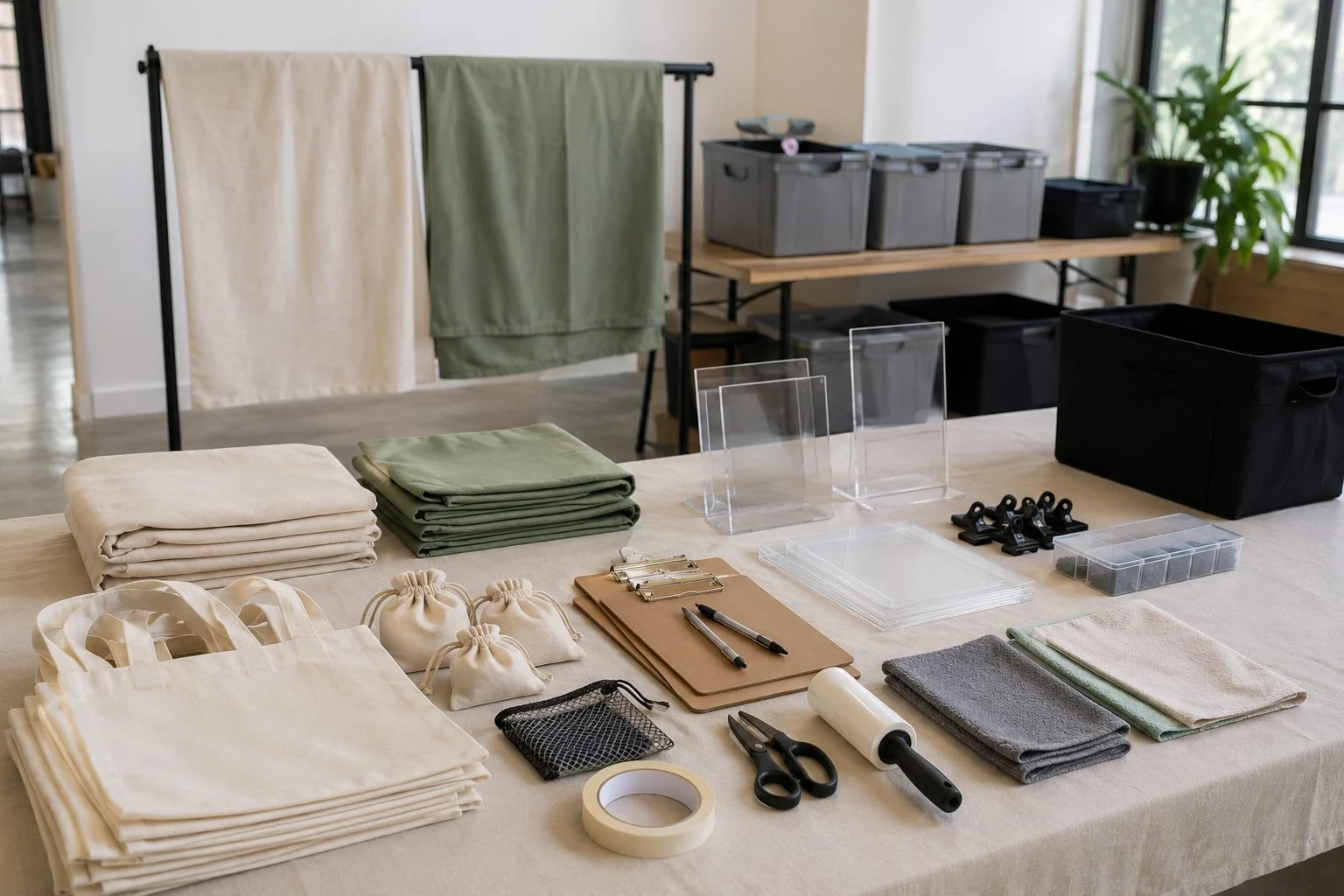
After an event ends, most teams want to pack quickly and leave. Everyone is tired, tables are being folded, signs are coming down, and leftover materials need to fit back into boxes or cars. It is tempting to throw everything together and deal with it later. But when reusable supplies and display materials are packed without care, the next event becomes harder.
A post-event reset routine helps keep materials clean, organized, and ready to use again. It does not need to take hours. Even a short system can prevent lost items, damaged fabric, missing tools, and messy storage.
Sort Supplies Before Leaving the Venue
The reset should begin before everything is packed away. Separate materials into clear groups: reusable supplies, trash, damaged items, items needing cleaning, leftover promotional materials, and personal belongings.
This prevents dirty or damp items from being packed with clean materials. It also helps teams notice what needs to be replaced before the next event.
Reusable carrying items such as Custom Tote Bags should be emptied and checked before storage. Receipts, tape, samples, snack wrappers, and small tools are often left inside after busy events.
Clean Fabric Items Promptly
Fabric display materials can collect dust, fingerprints, food marks, rain, grass stains, or booth debris. Table covers, fabric banners, reusable bags, pouches, and backdrops should be checked after every event.
Small stains should be treated early. Waiting too long can make them harder to remove. For canvas or heavier fabric pieces, instructions like How to Clean a Canvas Bag can help teams choose gentle cleaning methods that protect material and print quality.
Not every item needs full washing after every event, but every item should be inspected.
Dry Everything Before Storage
One of the biggest post-event mistakes is storing damp materials. Outdoor events, spilled drinks, rain, or humid venues can leave fabric slightly wet. If packed tightly, moisture can cause odors, mildew, and wrinkles.
Hang or spread fabric items at home, in the studio, or in a storage area until fully dry. Do not rush this step. A few extra hours of drying can prevent long-term damage.
Create a Missing and Damaged Items List
Events are busy, and supplies often go missing. Pens, clips, cords, display stands, tape, scissors, and signage pieces may be lost or damaged. Keep a simple checklist and update it immediately after the event.
This list should include:
- items that need replacing
- items that need cleaning
- items that need repair
- supplies that ran low
- materials that were not used
These notes make planning the next event much easier.
Repack by Future Use
Do not repack only by item type. Repack by how materials will be used next time. For example, a “checkout kit” might include bags, receipt materials, pens, and tape. A “display kit” might include clips, signs, stands, and table covers. A “cleaning kit” might include wipes, lint rollers, and trash bags.
This system reduces setup time at the next event because each kit already has a purpose.
Store Materials Where They Can Stay Clean
Reusable event supplies should be stored in a dry, clean, clearly labeled area. Avoid leaving fabric items in car trunks, damp garages, or crowded closets where they may absorb odors or become crushed.
Good storage protects the money and effort already invested in the event setup.
Conclusion
A post-event reset routine keeps reusable supplies and display materials ready for future use. By sorting before leaving, cleaning fabric promptly, drying everything fully, tracking missing items, and repacking by purpose, teams can avoid stress before the next event.
The reset may feel like an extra step after a long day, but it saves time, protects materials, and helps every future event start from a better place.