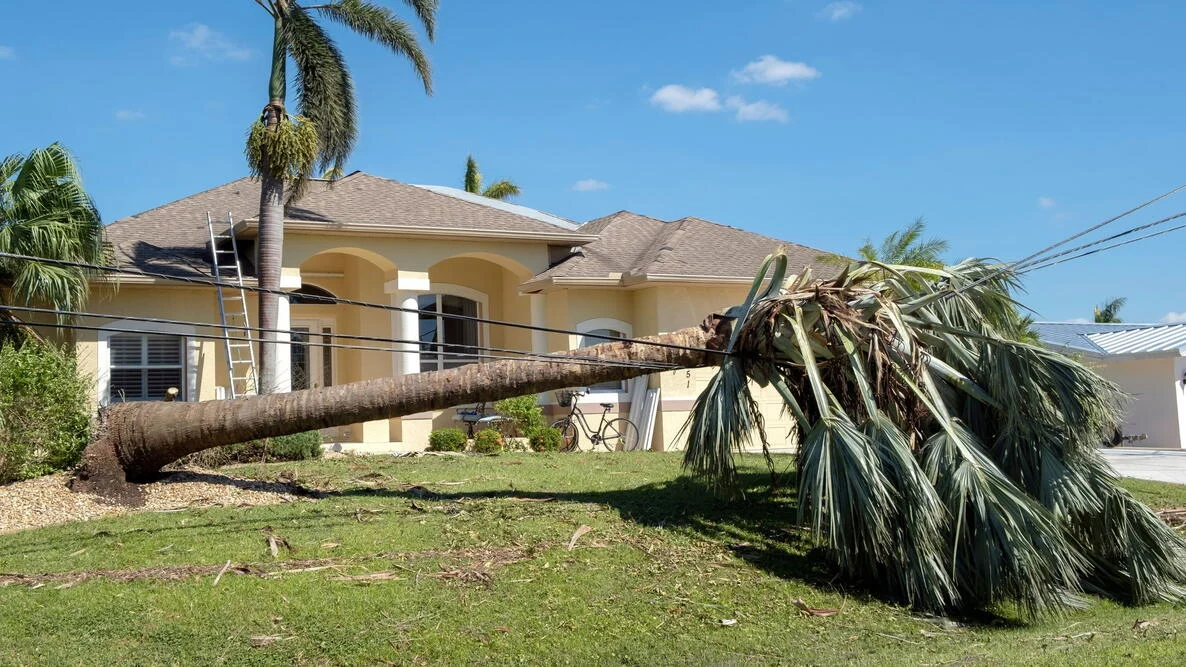
Two streets a mile apart often wait very different times for the same storm. Crews work the biggest damage first, so the sequence is decided before your street is even assessed. That difference decides whether a household needs an afternoon of patience or a week of backup power. The wait is a power question, because every extra day is another day the fridge, the router and the pump must run. A week of generator fuel is the cost of guessing wrong, and the guess is avoidable because the order is published before the storm. The aim here is to explain what sets the duration and how to read the utility’s repair order.
Duration by Cause
Local Line Damage
A branch on a service drop is the best case: one crew, one span, a few hours. Utilities often restore these first because they return the most customers per hour of work. That is also why a neighbourhood can be back by lunchtime while the next street waits two days, and why comparing notes with a friend across town tells you very little. Most outages in a normal summer storm fall into this category. Ask whether the damage is on the service drop or further up the line, because that single answer sets the timescale. Service drops are short, visible and cheap to fix, which is why they are the first thing a crew clears. Most summer outages end within four hours, which is worth remembering when the first hour feels endless.
Substation and Feeder Faults
Feeder and substation damage is the opposite case: fewer faults, far more customers each, hours of switching and testing before anything is energised. The difference between scattered vs isolated thunderstorms matters less than the damage a single cell leaves behind, because a compact storm that crosses a substation can outlast a wide one that only drops branches. Repair here is measured in shifts rather than minutes. A feeder fault usually means a patrol, a repair and a switching sequence, each of which takes hours before the first light returns. A feeder fault can leave a whole suburb dark while the street next to it has power from a different circuit. Ask the utility for the cause code on the outage map, and the estimate stops looking arbitrary.
Utility Repair Sequence
Critical Infrastructure Priorities
Hospitals, water treatment, communications and emergency services come first, and that is not a preference but a plan filed in advance. If your street sits on the same feeder as a hospital you may be restored early; if it sits behind a substation that serves nobody critical, you wait. Knowing the local priority list is more useful than watching the weather radar. The priority list is public in most states, and reading it once tells you more than a week of speculation. Water plants, hospitals and communications towers are restored first because the consequences of losing them are measured in lives.
Neighborhood Repair Sequence
After critical sites, crews work outward by the number of customers per repair, then by access. A single house at the end of a long private drive is the last job of the day, not because it matters less but because it returns less. This is the reason rural restoration takes longer, and it is worth knowing before assuming the utility has forgotten you. Crews work the repairs that restore the most customers first, which is why a dense street returns before a farm track. The sequence is published after every major event, and reading one teaches you what to expect next time. Ask a neighbour on a different feeder whether they have power, and the answer tells you which list you are on.
What Stretches the Wait
Crew Access and Road Closures
A line crew cannot work under a fallen tree that has not been cleared, and clearing is a different trade with a different queue. Flooded roads, washed-out shoulders and closed bridges add hours that never appear in the restoration estimate. If the access road is blocked, the estimate is a guess rather than a schedule. Tree work is the hidden delay: a line cannot be restrung until the timber is off it, and the timber crew has its own list. A closed bridge can add a day to a repair that would otherwise take an afternoon. Keep the car fuelled and the battery charged, and a closed road becomes an inconvenience rather than a crisis.
Repair Backlogs
In a wide event, the constraint is people rather than parts. Crews arrive from other states, take time to stage, and work through a list that grows faster than it shrinks for the first day. The first day is always the slowest, because crews are still arriving and the damage assessment is still incomplete. Parts are rarely the limit; people are, which is why the estimate improves once outside crews are staged. That window is where a battery earns its place: an Anker SOLIX S2000 carries a fridge for up to 35 hours through OptiSave, with lights and phones sharing the same 2,010Wh, and does it without the noise of a fuel generator. It does not shorten the wait. It makes the wait survivable, which is the only thing a battery can honestly promise when the crews are still on the road.
Conclusion
The clock is set by damage type and repair order, not by how strong the storm felt. Expect hours for a local line and days for a feeder, and plan the first forty-eight hours as though nobody is coming. Plan for the first two days, and anything faster than that feels like a gift. Assume two days, prepare for three, and treat an early return as a bonus. The wait is decided before the storm arrives, by which feeder you are on and how many crews are staged. Treat that as a floor rather than a prediction.