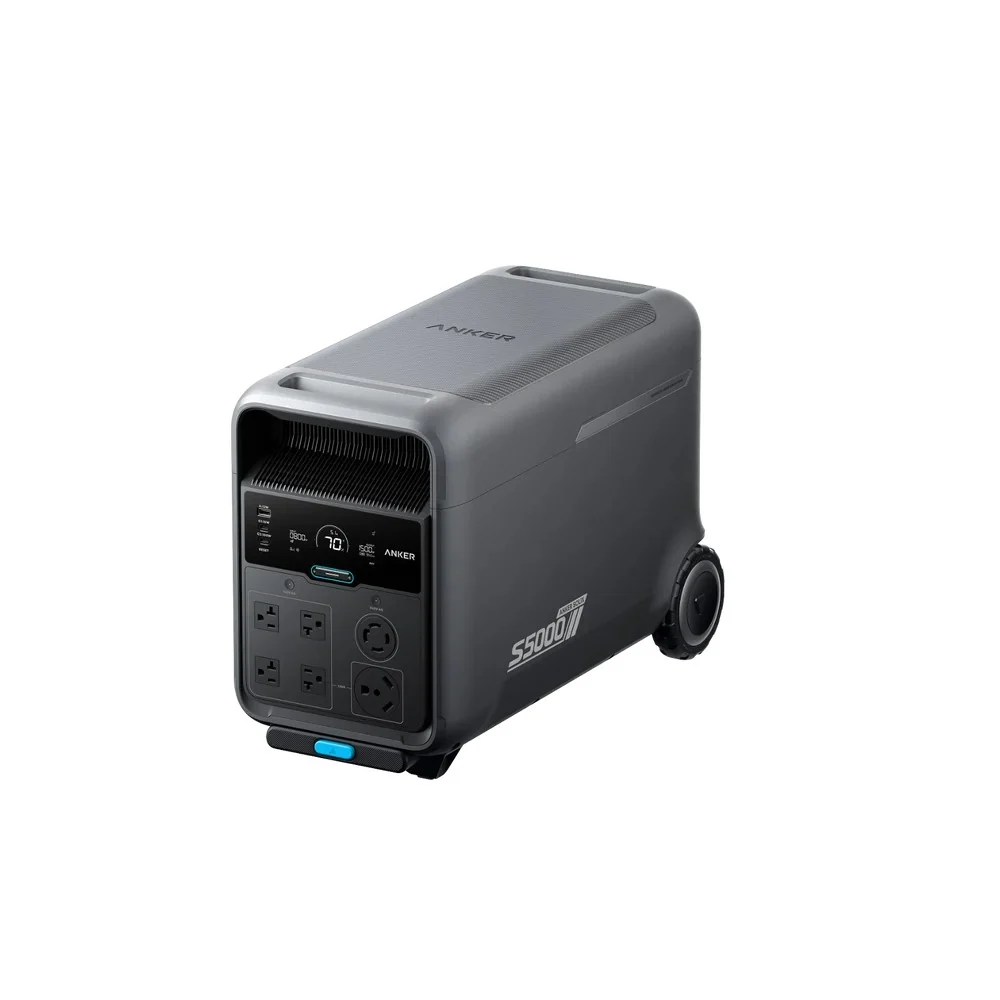
A refrigerator presents a special overnight power challenge because it does not draw the same amount of electricity every minute. Its compressor switches on when cooling is needed, then rests after the interior reaches the target temperature. A solar generator must support this repeating cycle from evening until solar charging becomes available again. That makes overnight refrigeration a question of duration, compressor behavior, and available battery energy rather than sunlight itself. With the right power reserve, stored daytime energy can keep refrigeration running through the night.
Plan Around the Refrigerator’s Overnight Rhythm
Refrigerators Cycle Instead of Running at Full Power Constantly
The wattage printed on a refrigerator does not automatically represent its energy consumption for every hour of the night. The compressor starts and stops as the appliance maintains its set temperature. How often it runs depends on the refrigerator, room conditions, thermostat setting, and how frequently the door opens. This cycling behavior is why overnight planning should focus on energy consumed across the entire period. For example, an eight-hour night does not necessarily mean multiplying the refrigerator’s rated wattage by eight and treating that as the final requirement. A more useful estimate comes from measured or known daily energy consumption, then allocating the appropriate portion to the overnight window.
Compressor Startup and Continuous Demand Are Different
When a refrigerator compressor starts, it may briefly require more power than during normal operation. A power source therefore needs enough output capability for both the regular operating load and the short startup event. This is where battery capacity and AC output perform separate jobs. Capacity determines how much energy remains available through the night, while output determines whether the system can serve the appliance at a given moment. The Anker SOLIX S5000 provides 4,500W rated output and 8,000W peak output. Anker’s product material also shows a 175W refrigerator among its 120V appliance examples. These specifications illustrate why evaluating a solar powered generator for refrigeration involves more than looking at battery watt-hours alone.
Start the Night With a Defined Energy Reserve
An overnight refrigeration plan becomes clearer when the evening battery level has a specific purpose. First estimate how much energy the refrigerator normally consumes during the expected overnight period. Then account for any other loads that will share the power station, such as lights, a television, or device charging. The remaining battery should cover the combined overnight energy plan. The S5000 has 5,024Wh of base capacity, creating a substantial stored-energy reserve for applications that continue after sunset. Anker’s internal testing lists refrigerator runtime at 86 hours under its specified conditions, although actual runtime varies with operating conditions. For overnight planning, that figure provides context, while the refrigerator’s actual consumption remains the most useful basis for a household-specific estimate.
Turn One Night Into a Repeatable Cooling Routine
Evening Habits Shape the Overnight Load
Refrigerator energy demand does not exist in isolation from household behavior. The period before bedtime can influence how much cooling work continues overnight. Organizing food and drinks earlier reduces repeated late-night door openings. Keeping the door closed allows the appliance to maintain its internal temperature through its normal compressor cycle. Other household loads can also be scheduled thoughtfully. Cooking appliances, entertainment devices, and charging tasks do not all need to draw from the battery during the same overnight window. This creates a simple energy hierarchy: refrigeration remains a continuous priority, while flexible activities fit around it. The goal is not to avoid using stored electricity, but to direct the available reserve toward the loads that need uninterrupted overnight access.
Morning Solar Starts the Next Cooling Cycle
Sunrise changes the energy picture because the system can begin collecting energy for the next operating period. The refrigerator may continue running while the power station receives solar input, so morning becomes a transition from stored overnight energy to daytime replenishment. The S5000 is available with a 400W bifacial solar panel and supports up to 3,000W of solar input. This creates room for different solar configurations depending on the intended setup. For repeated off-grid refrigeration, the important pattern is cyclical: collect energy during useful daylight, store enough for the night, run the refrigerator from the battery after sunset, and begin replenishing the reserve when solar energy returns. Planning around this 24-hour rhythm is more useful than evaluating a single night by itself.
Longer Outages Call for a Multi-Night View
Keeping food cold for one night and supporting refrigeration through an extended outage involve different planning horizons. Once the requirement extends beyond the next morning, users need to consider how much energy returns each day as well as how much the refrigerator consumes each night. The S5000 supports capacity expansion from 5kWh to 30kWh, and Anker positions expanded configurations for up to 12 days of backup under its stated scenario. The system also supports six recharge methods, allowing replenishment to come from more than one supported source when appropriate. This turns refrigeration backup into an ongoing energy cycle. Each day should replace enough consumed energy to prepare the battery for the next overnight period.
Conclusion
A solar generator can keep food cold overnight when its stored energy and output match the refrigerator’s operating pattern. The key factors are compressor cycling, startup demand, the length of the overnight period, and other loads sharing the battery. For repeated use, daytime replenishment becomes part of the cooling routine. With 5,024Wh of base capacity, 4,500W rated output, a 400W bifacial solar panel option, and expandable storage, the Anker SOLIX S5000 supports both overnight refrigeration planning and longer backup strategies.