The back-to-school season means students are returning to classrooms, dormitories, apartments, and extracurricular activities. While families focus on school supplies and new routines, they may overlook another seasonal concern—bed bugs. Increased travel, shared living spaces, and moving belongings between home and school can all increase the risk of bringing bed bugs indoors.
Fortunately, recognizing the early signs of bed bugs and following smart bed bug prevention practices can help families avoid larger infestations. Knowing when to schedule a professional inspection is an important step in protecting your home throughout the school year.
Why Bed Bug Prevention Matters During Back-to-School Season
How Bed Bug Prevention Reduces Infestation Risks After Summer Travel
Many families travel during summer break before students head back to school. Hotels, vacation rentals, airports, and public transportation can all expose travelers to bed bugs that hitchhike on luggage, clothing, and backpacks.
Simple bed bug prevention habits can reduce the risk of bringing pests home:
- Inspect luggage before bringing it indoors.
- Wash travel clothing immediately after returning home.
- Dry clothing on high heat when appropriate.
- Vacuum suitcases before storing them.
- Inspect backpacks before students return to school.
Taking these precautions helps eliminate hitchhiking bed bugs before they have a chance to spread.
Why Early Signs of Bed Bugs Often Appear After Students Move Back Home
Students returning from college dorms, summer camps, or shared apartments may unknowingly transport bed bugs in their belongings. Because bed bugs often remain hidden during the day, families may not notice a problem until several days or weeks later.
Watch for changes after students return home, especially if new bites or unusual stains begin appearing in bedrooms. Early detection is one of the most effective ways to stop an infestation before it expands.
Early Signs of Bed Bugs Every Family Should Watch For
Common Bites, Stains, and Odors as Early Signs of Bed Bugs
Bed bugs leave behind several warning signs that homeowners should never ignore. Recognizing these symptoms early can significantly reduce the size and cost of treatment.
Common early signs include:
- Small itchy bites that appear overnight
- Rust-colored stains on sheets or pillowcases
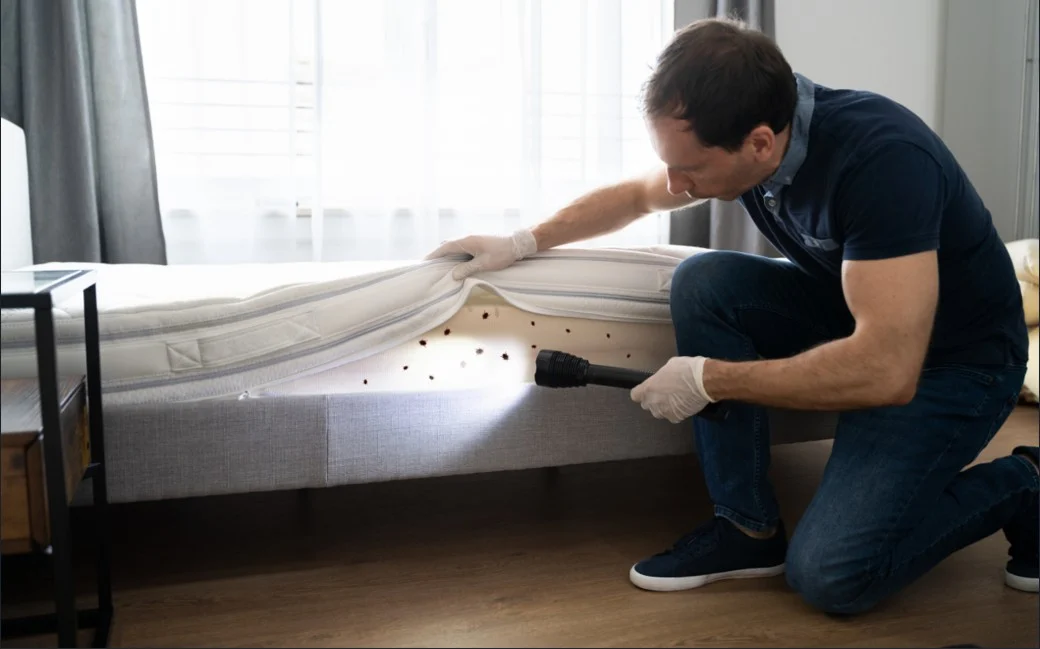
- Tiny black spots along mattress seams
- Shed skins near beds or furniture
- A mild musty odor in larger infestations
Although these signs do not always confirm bed bugs, they should prompt a closer inspection.
Why Bed Bug Inspection Confirms Hidden Infestations
Bed bugs are experts at hiding inside furniture, mattresses, and tiny cracks that homeowners rarely inspect. A professional bed bug inspection helps determine whether bed bugs are present and identifies areas where they may be hiding.
Professional inspections often include:
- Mattresses and box springs
- Bed frames and headboards
- Upholstered furniture
- Baseboards and wall voids
- Closets and nearby furniture
Finding bed bugs early makes treatment faster and more effective.
How Bed Bug Inspection Helps Prevent Larger Infestations
What Professionals Look for During a Bed Bug Inspection
Professional inspectors are trained to recognize subtle signs of bed bug activity that homeowners may overlook. Rather than searching only for live insects, they also look for evidence that indicates an infestation is developing.
This includes:
- Eggs and shed skins
- Fecal spotting
- Blood stains
- Live bed bugs in hidden areas
- Signs of activity around sleeping spaces
A thorough inspection provides a clear picture of the infestation and helps determine the most appropriate treatment plan.
Why Bed Bug Prevention Starts With Early Detection
The sooner bed bugs are discovered, the easier they are to eliminate. Early detection limits the spread of bed bugs to other rooms and reduces the amount of treatment required.
Benefits of early detection include:
- Smaller infestations
- Lower treatment costs
- Faster elimination
- Less disruption to your household
- Reduced risk of reinfestation
Regular inspections and prompt action are key components of successful bed bug prevention.
Why Professional Treatment Is the Best Long-Term Solution
When Bed Bug Heat Treatment Becomes Necessary
If an inspection confirms an active infestation, professional treatment offers the best chance of complete elimination. Heat treatment is especially effective because it reaches areas where bed bugs commonly hide and eliminates adults, nymphs, and eggs in a single treatment process.
Families considering bed bug heat treatment in Illinois and Wisconsin can benefit from a solution that treats the entire affected area rather than only visible insects.
Professional treatment is often recommended when:
- Live bed bugs are found.
- Multiple rooms show signs of activity.
- DIY methods have failed.
- Bed bugs continue returning after treatment.
Preventing Reinfestation After Treatment
After treatment is complete, ongoing prevention helps keep your home protected throughout the school year.
Helpful habits include:
- Inspect backpacks and luggage after trips.
- Monitor mattresses for new signs of activity.
- Avoid bringing uninspected secondhand furniture indoors.
- Wash travel clothing promptly.
- Schedule follow-up inspections if recommended.
These simple practices help reduce the likelihood of future infestations and provide peace of mind for busy families.
Dodge Bed Bugs This School Year
Back-to-school season brings new routines, increased travel, and greater opportunities for bed bugs to enter the home. By practicing effective bed bug prevention, watching for the early signs of bed bugs, and scheduling a professional bed bug inspection when concerns arise, families can stop infestations before they become larger problems.
If bed bugs are discovered, professional treatment provides the most reliable path to long-term relief. Acting early helps protect your home, reduces treatment costs, and ensures your family can focus on the school year instead of unwanted pests.