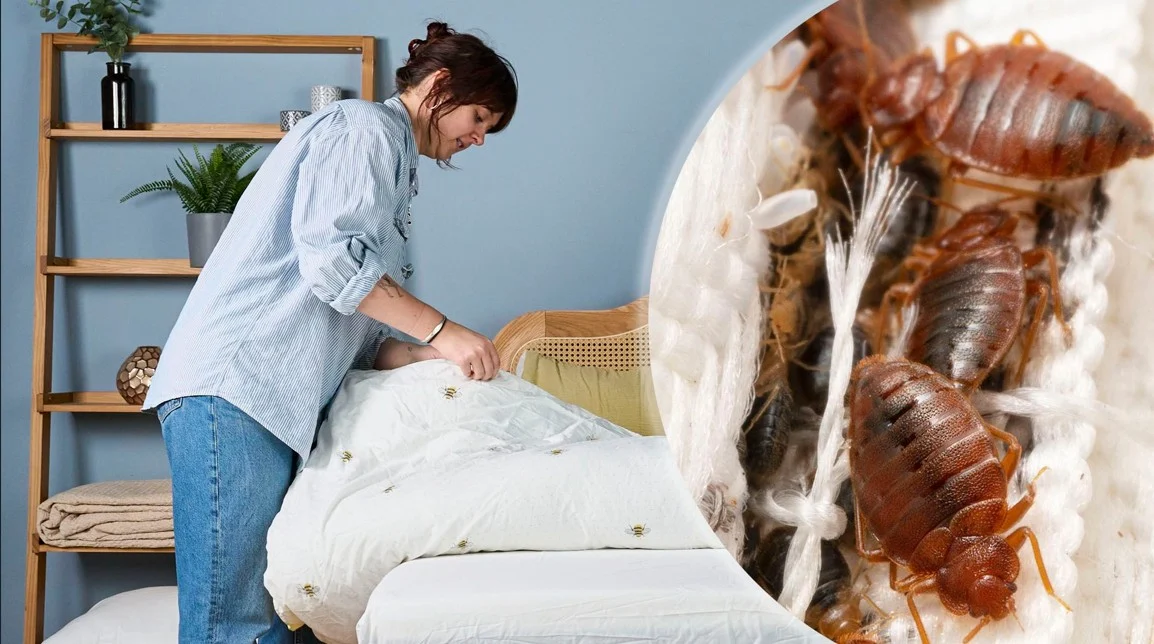
College move-in season is an exciting time for students, but it also creates ideal conditions for bed bugs to spread. Dormitories, apartments, shared housing, and frequent movement of furniture and personal belongings provide countless opportunities for these pests to hitchhike into new living spaces. Since bed bugs can travel unnoticed in mattresses, couches, luggage, and clothing, even one infested item can lead to a larger problem.
Understanding where bed bugs hide and practicing effective bed bug prevention before and after moving can help students and families avoid costly infestations during the school year.
Why Bed Bugs in Apartments Increase During College Move-In Season
How Bed Bug Prevention Starts Before Moving Furniture
Many college students furnish apartments and dorms with secondhand furniture or items borrowed from friends and family. While this can help reduce moving expenses, it also increases the risk of bringing bed bugs into a new residence.
Before moving furniture indoors:
- Inspect mattresses and box springs carefully.
- Examine upholstered chairs and couches.
- Check furniture seams and joints.
- Avoid picking up discarded furniture from curbs.
- Vacuum and clean used furniture before use.
Taking these precautions helps reduce the chance of introducing bed bugs into your apartment before classes even begin.
Why Bed Bug Inspection Helps Identify Infestations Early
A careful inspection before unpacking can prevent a minor problem from becoming a widespread infestation. Bed bugs often hide in cracks and seams where they remain unnoticed until their population grows.
Scheduling a bed bug inspection Kansas City is especially helpful if you discover suspicious stains, bites, or insects while moving into an apartment or shared housing. Early detection allows treatment to begin before bed bugs spread to neighboring rooms.
Common Bed Bug Hiding Spots During a Move
Why Bed Bugs in Apartments Spread Through Shared Furniture
Shared housing creates additional opportunities for bed bugs to move between rooms. Students often exchange furniture, mattresses, and household items without realizing bed bugs may already be present.
Common items that can transport bed bugs include:
- Used mattresses
- Sofas and recliners
- Wooden bed frames
- Fabric headboards
- Moving blankets
- Cardboard boxes
Carefully inspecting these items before bringing them indoors can significantly reduce infestation risks.
How Bed Bug Inspection Detects Hidden Infestations
Bed bugs are experts at hiding in small spaces that are easy to overlook during a move. Professional inspectors know exactly where to look and can identify evidence long before homeowners notice live insects.
Common hiding places include:
- Mattress seams
- Box springs
- Bed frames
- Baseboards
- Upholstered furniture
- Wall cracks
- Electrical outlets
A professional inspection provides peace of mind and helps identify hidden infestations before they become more difficult to eliminate.
Bed Bug Prevention Tips for Students and Families
Packing and Unpacking With Bed Bug Prevention in Mind
Smart packing habits can reduce the likelihood of transporting bed bugs from one residence to another.
Helpful bed bug prevention tips include:
- Use plastic storage bins whenever possible.
- Keep clothing sealed during the move.
- Wash bedding immediately after moving.
- Dry clothing on high heat when appropriate.
- Vacuum luggage and storage containers before use.
These simple precautions help eliminate any hitchhiking bed bugs before they establish themselves inside your new home.
Travel Habits That Reduce Infestation Risks
Many students travel frequently throughout the school year, visiting family, attending sporting events, or staying in hotels during breaks. Each trip creates another opportunity for bed bug exposure.
To reduce risk:
- Inspect hotel mattresses before unpacking.
- Keep luggage on luggage racks instead of beds.
- Avoid placing clothing on upholstered furniture.
- Inspect luggage before bringing it inside after returning home.
- Wash travel clothing promptly after each trip.
Consistent travel habits are an important part of long-term bed bug prevention.
When to Schedule a Professional Inspection
Signs Bed Bug Inspection Is Necessary
Even with preventive measures, bed bugs can occasionally make their way into apartments or dorm rooms. Recognizing the warning signs early can prevent a larger infestation.
Watch for:
- Small itchy bites after sleeping
- Rust-colored stains on bedding
- Tiny black spots near mattress seams
- Shed skins around furniture
- Live bed bugs in sleeping areas
If you notice several of these signs, professional inspection is recommended.
Why Early Action Prevents Larger Infestations
Bed bugs reproduce quickly once they become established. What begins as a small infestation in one bedroom can soon spread to neighboring apartments, shared walls, and additional furniture.
Prompt professional inspection offers several benefits:
- Confirms whether bed bugs are present
- Identifies hidden infestation areas
- Supports faster treatment
- Reduces treatment costs
- Helps prevent bed bugs from spreading throughout the building
Taking action early is far easier than dealing with a widespread infestation later.
Dodge Bed Bugs this Season
College move-in season brings excitement, but it also increases the risk of bed bugs in apartments, dormitories, and shared housing. Used furniture, luggage, and frequent travel all create opportunities for bed bugs to spread unnoticed.
By following smart bed bug prevention practices, inspecting secondhand items carefully, and scheduling a professional inspection when warning signs appear, students and families can protect their living spaces throughout the academic year. Early action remains the best defense against bed bugs, helping prevent small problems from becoming major infestations.