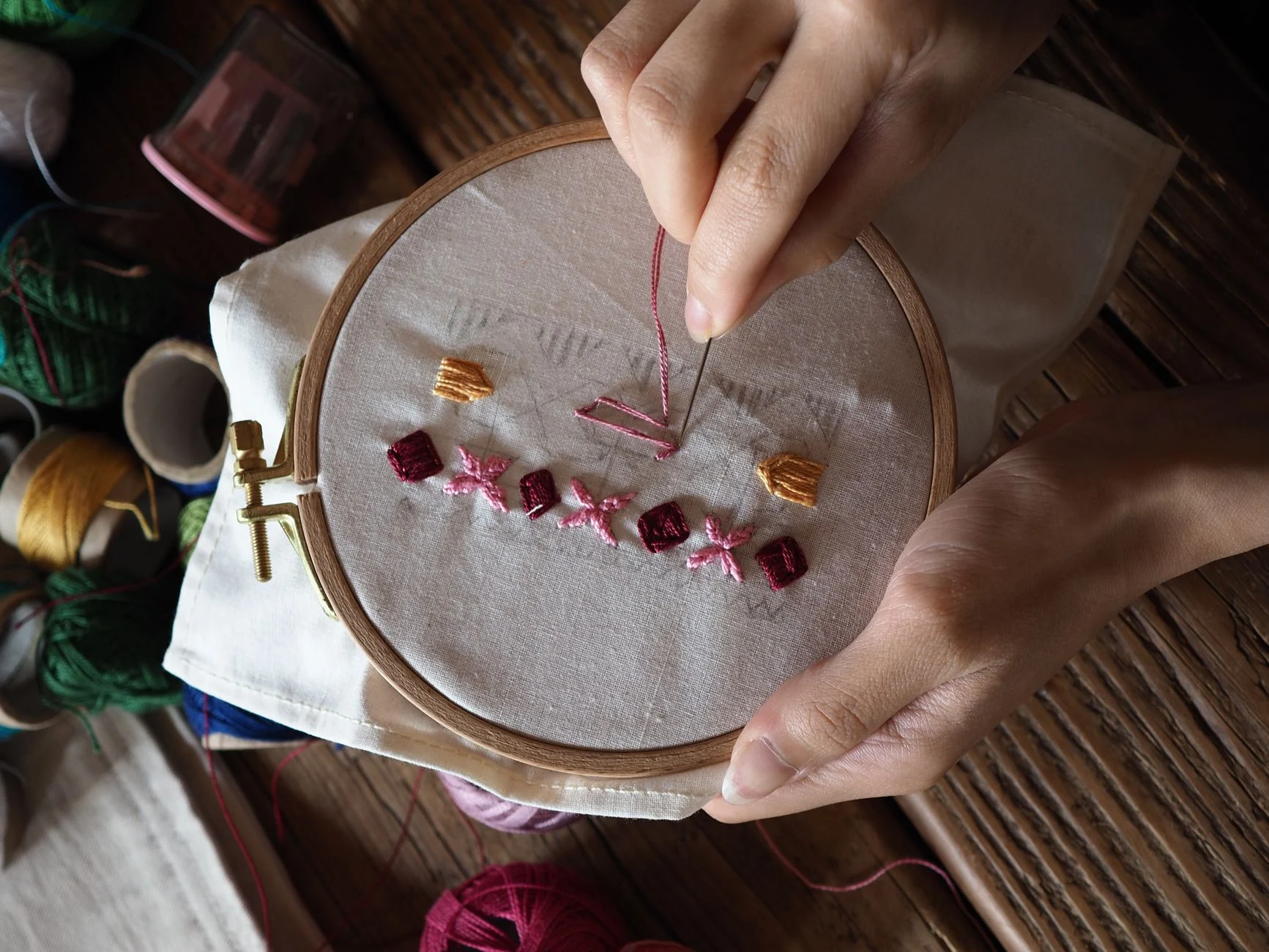
Japanese sashiko embroidery is a textile technique built around running stitches arranged into patterns. Originally used to reinforce and repair clothing, it has become a hobby among people interested in hand sewing, textile design, and clothing restoration. Unlike embroidery techniques that rely on complex stitches or extensive color combinations, sashiko emphasizes repetition, geometry, and fabric structure. Its renewed visibility reflects interest in practical crafts, garment repair, and activities that combine concentration with physical creativity.
Modern leisure includes experiences ranging from handmade projects to digital entertainment. People exploring online games can read more about a chance-based casino game, although gambling involves financial risks and offers no comparable textile skills. Sashiko provides satisfaction through a different process: repeated practice, control over materials, and visible progress. Understanding its historical purpose helps explain why this form of embroidery continues to attract attention.
What Is Sashiko Embroidery?
The Japanese word sashiko refers to small stitches used in a form of hand sewing. The technique typically involves running stitches arranged into lines or repeating patterns.
Traditional examples often feature light thread against indigo-dyed fabric, although historical practices and regional approaches vary.
Sashiko stitches can reinforce fabric, secure layers, and create decorative surfaces.
Unlike some embroidery methods, the technique does not require filling entire areas with thread.
Instead, spacing and stitch consistency contribute to the finished appearance. This combination of function and design distinguishes sashiko from many forms of decorative needlework.
The Historical Origins of Sashiko
Sashiko developed in Japan as a practical method of maintaining textiles. Historical examples are associated particularly with rural communities, where fabric represented a resource worth preserving.
People used stitching to strengthen worn garments, join fabric layers, and extend clothing life.
The technique was especially useful when replacing textiles involved considerable expense or labor.
Regional traditions developed different patterns and construction methods.
Sashiko also became associated with garments used for work and protection against cold conditions.
Although contemporary examples often emphasize decoration, its history demonstrates the relationship between textile repair and everyday necessity.
Sashiko and the Tradition of Boro Textiles
Sashiko is frequently discussed alongside boro, a term associated with Japanese textiles that have been patched and repaired over time.
However, the concepts are not interchangeable.
Sashiko describes stitching practices, while boro refers to textiles whose construction reflects repeated use, patching, and repair.
Some boro garments contain sashiko stitching, but not every example uses the same techniques.
Understanding this distinction helps prevent traditional textile practices from being reduced to decorative trends.
Both traditions demonstrate how fabric preservation can produce objects containing layers of personal and material history.
Why Geometric Patterns Are Central to Sashiko
Geometric patterns are among the most recognizable characteristics of sashiko.
Common designs involve intersecting lines, waves, grids, and repeating shapes.
These patterns distribute stitches across fabric while creating visual rhythm.
Some designs have historical associations with natural forms or cultural symbolism.
For beginners, geometry introduces a practical challenge: maintaining consistent spacing and following marked lines.
Unlike freehand embroidery, pattern accuracy can influence the overall appearance.
More experienced participants may combine traditional arrangements with original designs while preserving fundamental stitching principles.
Essential Tools and Materials
Sashiko requires relatively little equipment, making it accessible to people without a dedicated workshop.
Basic supplies include fabric, thread, a suitable needle, marking tools, and scissors.
Traditional sashiko thread is designed for running stitches, although beginners can experiment with compatible cotton threads.
Fabric choice influences how easily the needle passes through the material.
Cotton and linen are commonly used for practice.
A thimble may improve comfort when working through several fabric layers.
Beginners should select materials according to project requirements rather than purchasing extensive supplies immediately.
How the Sashiko Stitching Process Works
The process begins by selecting fabric and marking a pattern.
Participants then follow the lines using running stitches, creating repeated movements through the material.
Consistent stitch length contributes to pattern clarity, although historical techniques do not always follow identical decorative standards.
Thread tension is important because pulling too tightly can distort the fabric.
When repairing garments, stitch placement should also support the damaged area.
Beginners benefit from practicing on fabric samples before attempting clothing repairs.
This allows them to understand needle movement, thread behavior, and pattern spacing.
Why Sashiko Appeals to Modern Craft Enthusiasts
Several factors explain sashiko’s renewed visibility.
Interest in clothing repair encourages people to explore techniques that extend garment use.
The growing availability of workshops and instructional materials also makes traditional textile methods easier to discover.
Sashiko appeals to people seeking activities that require concentration without complex equipment.
Repeated stitching can provide a structured task while allowing gradual improvement.
However, its appeal should not be explained solely through relaxation. Many participants also value textile history, technical precision, and the opportunity to create functional objects.
Sashiko in Contemporary Clothing Repair
Modern applications include reinforcing jeans, repairing jackets, decorating bags, and strengthening household textiles.
Visible stitching can transform a damaged section into part of the garment’s design.
However, repair techniques must match the fabric and type of damage.
Areas exposed to frequent movement or tension may require reinforcement beyond decorative stitching.
Beginners should assess whether the fabric remains structurally suitable for repair.
Understanding the practical function of stitches helps preserve sashiko’s connection with textile maintenance rather than treating it exclusively as ornamentation.
Learning Sashiko Without Losing Its Cultural Context
Learning traditional crafts involves understanding both techniques and their origins.
Sashiko developed through particular historical conditions, including textile scarcity, regional practices, and household labor.
Modern hobbyists can appreciate its patterns while recognizing these circumstances.
Exploring museum collections, historical garments, and educational resources helps distinguish documented traditions from contemporary adaptations.
This approach encourages informed experimentation rather than presenting every geometric embroidery design as historically authentic.
Why This Traditional Craft Remains Relevant
Sashiko demonstrates how a technique developed for practical necessity can remain useful in different circumstances.
Its combination of stitching, repair, geometry, and textile history offers opportunities for learning and creative expression.
Beginners can start with fabric samples before progressing to garments or household objects.
The equipment requirements are manageable, while the patterns provide opportunities for continued skill development.
Ultimately, sashiko’s appeal comes from its ability to connect practical craftsmanship with cultural knowledge, allowing an established textile tradition to find applications in contemporary leisure and clothing maintenance.