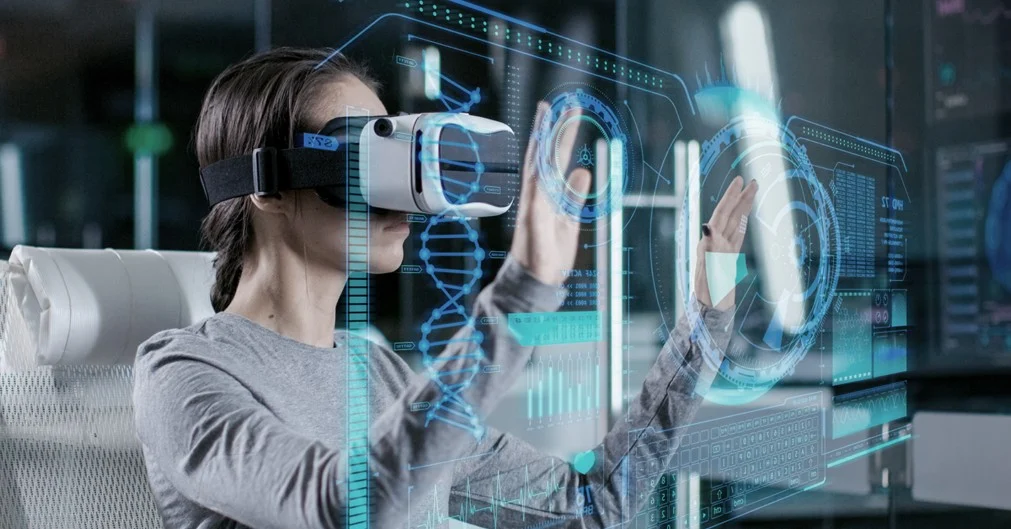
Virtual reality technology is revolutionizing the digital entertainment landscape, transporting users into immersive worlds that blur the lines between fiction and reality. With a simple headset, users can experience breathtaking adventures or step into captivating narratives like never before. This excitement extends beyond gaming; it encompasses streaming experiences, social interactions, and even new forms of mature content that are redefining how we perceive entertainment.
As VR becomes more accessible and sophisticated, it’s reshaping our expectations of media consumption. Whether you’re an avid gamer or just someone curious about this cutting-edge tech, there’s something for everyone in the realm of virtual reality. Join us as we explore the evolution of VR headsets, delve into streaming innovations, discuss mixed reality applications, address privacy concerns inherent in these spaces and touch on how different genres are finding their niche within this dynamic medium at vrspy.com.
The Evolution of VR Headsets: From Bulky Helmets to Sleek Goggles
The journey of VR headsets has been nothing short of remarkable. In the early days, bulky helmets dominated the scene. These devices were heavy and cumbersome, often requiring extensive setup.
As technology advanced, manufacturers prioritized comfort and usability. The introduction of lightweight goggles transformed user experiences dramatically. No longer did users feel weighed down or restricted by their gear.
Today’s sleek designs are not only more ergonomic but also feature stunning displays that enhance immersion. High-resolution screens offer vibrant visuals that pull you deeper into virtual worlds.
With improving optics and lighter materials, current models have made VR accessible to a broader audience. They blend seamlessly with everyday life while delivering exhilarating adventures in digital realms like never before.
Streaming VR: How Virtual Reality is changing the Way We Consume Media
Streaming VR is revolutionizing how we experience media. Gone are the days of passive viewing. Now, immersion takes center stage.
With platforms offering VR content, users can step inside their favorite films or games. Picture this: instead of watching a horror movie from your couch, you find yourself in the midst of suspenseful scenes. The thrill is tangible.
This shift extends beyond entertainment too. Live events transform into interactive experiences where fans can feel like they’re part of the action. Imagine attending a concert not just as an audience member but as someone who can explore every corner of the venue.
As technology evolves, so does our engagement with storytelling and creativity. Streaming services adapt to meet these demands, creating unique narratives that only virtual reality can offer. The landscape of media consumption is indeed changing rapidly and excitingly.
Mixed Reality: Blurring the Lines between Real and Virtual Worlds
Mixed reality (MR) is where the magic truly happens. It seamlessly merges the digital and physical worlds, creating experiences that feel both real and surreal. Imagine walking through your living room only to see a dragon soaring above you or a virtual art installation nestled on your coffee table.
This technology utilizes advanced sensors and displays to overlay digital content onto our environment. Users can interact with these projections as if they were tangible objects. The potential applications are vast, spanning gaming, education, and even therapy.
For artists and creators, MR opens up new avenues for expression. They can craft immersive environments that engage all senses while providing audiences with unique narratives.
As this technology evolves, it continues to redefine how we perceive space around us. Our interactions become richer when boundaries dissolve between what’s real and what’s imagined.
Addressing Privacy Concerns in the World of VR
As VR technology advances, the conversation around privacy grows louder. Users immerse themselves in captivating experiences but often overlook data security.
When you put on a headset, your movements and even your facial expressions are tracked. This data can be sensitive. Companies collecting this information must handle it responsibly to ensure user trust
Regulatory measures are catching up too. Organizations advocate for transparent policies that empower users to control their own data. Education about these issues is essential for everyone stepping into the virtual realm.
Fostering a safe environment hinges on collaboration among tech developers, policymakers, and users themselves. Addressing privacy concerns is key to enhancing the overall VR experience without compromising individual rights.
The Rise of Mature Entertainment in Virtual Reality
The landscape of virtual reality is expanding, and with it, the emergence of mature entertainment. This niche offers experiences that cater to adult audiences in ways traditional media cannot.
With VR headsets becoming more accessible, creators are exploring storytelling that pushes boundaries. Immersive narratives allow users to connect on a deeper emotional level, often tackling complex themes.
Interactive elements enhance engagement, making choices impactful within these vivid worlds. The sense of presence amplifies emotions whether joy or suspense in ways flat screens simply can’t replicate.
Conclusion:
The future of VR technology is poised for remarkable transformations. As innovations continue to surge, we can expect even more immersive experiences that redefine digital entertainment. Enhanced graphics, haptic feedback, and intuitive controls will elevate gaming and media consumption to new heights.
VR technology’s integration with streaming platforms signifies a shift in how audiences engage with content. We might soon witness live concerts or events where viewers feel as though they are right in the front row an exhilarating prospect.
Mixed reality also holds immense potential by seamlessly merging real-world elements with virtual ones, paving the way for unique storytelling methods that captivate users on multiple levels.